AUTOWORKS
The key to your vehicle's performance
We understand it is not just a car – it is an extension of your passion. We know that is important. This is why we offer everything automotive. We offer all your automotive needs and desires.

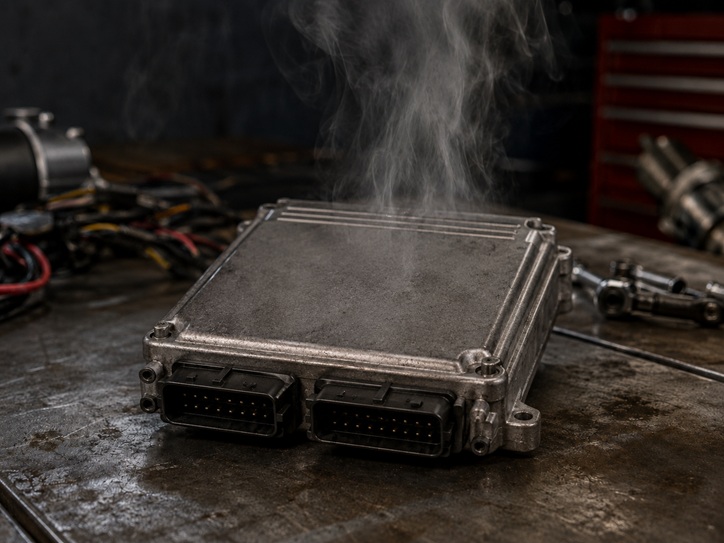
Why a car can log ten unrelated faults when only one electrical problem exists
Electrical faults are responsible for some of the strangest vehicle behaviour we diagnose. A scan tool may show faults in several systems at once, yet the real problem can be one poor earth, one shorted sensor or one badly installed accessory.
The key is to stop treating every fault code as a failed component and start looking at what the affected circuits share.
1. A bad earth causing unrelated faults
Poor engine, body or ECU earths can shift sensor voltages, slow starter operation, upset charging voltage and create communication faults across multiple modules.
An earth can show continuity and still be useless once current flows. Corrosion, loose terminals, paint, powder coating and undersized straps all create resistance.
What you might see:
• Sensor readings that move when electrical loads switch on
• Multiple warning lights or CAN faults
• Slow cranking or odd charging behaviour
What proves it: Prove it with a voltage-drop test while the circuit is loaded, not just an ohmmeter continuity check.
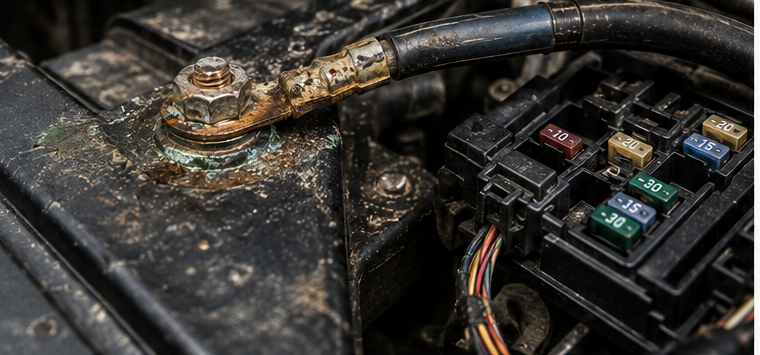
Many pressure and position sensors share the ECU 5 V reference. One internally shorted sensor can pull the entire reference circuit down and make several good sensors report impossible values.
The fault list can make it look like the ECU, throttle, MAP sensor and pressure sensors have all failed together.
What you might see:
What proves it: Measure the reference voltage, then unplug sensors on that reference one at a time until the 5 V supply returns.
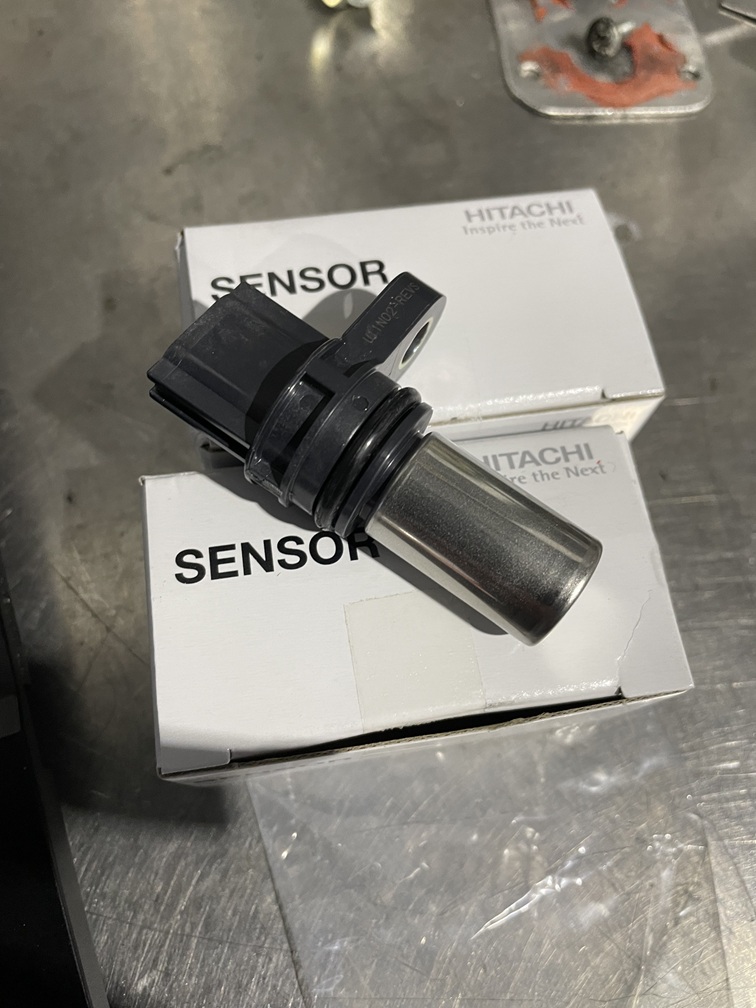
3. Continuity tests that lie
A wire with only a few strands of copper left can still beep perfectly on a continuity tester.
Once the circuit has to carry real current, resistance across the damaged section causes voltage to collapse.
What you might see:
• Pumps, fans or motors running slowly
• Relays chattering
• A circuit passing continuity but failing in operation
What proves it: Load the circuit and measure voltage drop across the power and earth sides.

4. Corrosion hidden inside the insulation
Copper can corrode well beyond the point where the outside of the loom looks damaged. Moisture, coolant, battery acid and contaminated connectors can wick along the strands under the insulation.
Sometimes cutting back 50 or 100 mm still reveals blackened copper.
What you might see:
• Green or black copper inside apparently intact insulation
• Intermittent high resistance
• Repairs that fail again because the corrosion was not cut out far enough
What proves it: Keep cutting back until clean bright copper is found, then repair and seal the source of the contamination.
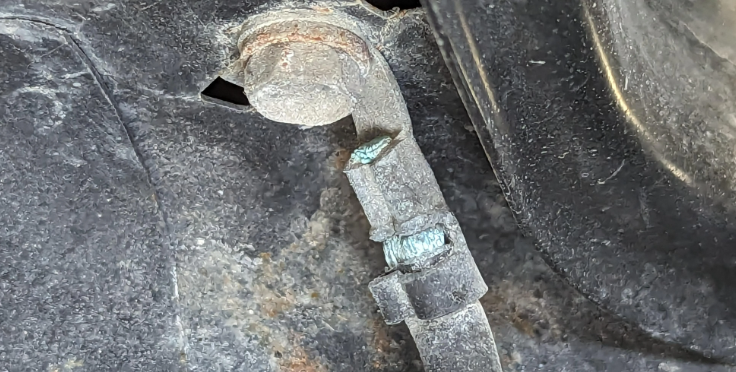
5. Water travelling through a wiring loom
Water does not always stay near the leak. Capillary action can move moisture along wiring and inside loom tape until it reaches connectors or modules well away from the original entry point.
What you might see:
• Corrosion in a connector with no obvious local leak
• Intermittent faults after rain or washing
• Moisture found inside loom wrapping
What proves it: Find the original water path as well as repairing the damaged connector or wire.

AUTOWORKS
We understand it is not just a car – it is an extension of your passion. We know that is important. This is why we offer everything automotive. We offer all your automotive needs and desires.
Mon to Fri: 8am–5pm
Sat/Sun: Closed

171 Evans Rd, Salisbury QLD 4107
Phone: (07) 3123 5373
Email: service@autoworks.com.au